![Georgia Fair Offer [Sell My House Fast For Cash]](https://image-cdn.carrot.com/eyJidWNrZXQiOiJwcm9kdWN0aW9uLmNhcnJvdC11cGxvYWRzLm9uY2Fycm90LmNvbSIsImtleSI6InVwbG9hZHMvc2l0ZXMvNDg3MTYvMjAyNi8wMS9CdXktbXktaG91c2Uud2VicCIsImVkaXRzIjp7InJlc2l6ZSI6eyJ3aWR0aCI6NTAwLCJmaXQiOiJjb3ZlciJ9LCJ0b0Zvcm1hdCI6IndlYnAifX0=)
If you own a fixer-upper in Atlanta, selling it through a traditional listing can be a lot harder than selling a move-in-ready home — not because buyers don’t exist, but because financing itself often stands in the way. This guide covers what actually makes a home a “fixer-upper” in a lender’s eyes, why that creates a smaller buyer pool, what repairs typically cost, and the options available if you’d rather sell as-is than take on the work yourself.
What Makes a Home a “Fixer-Upper”?
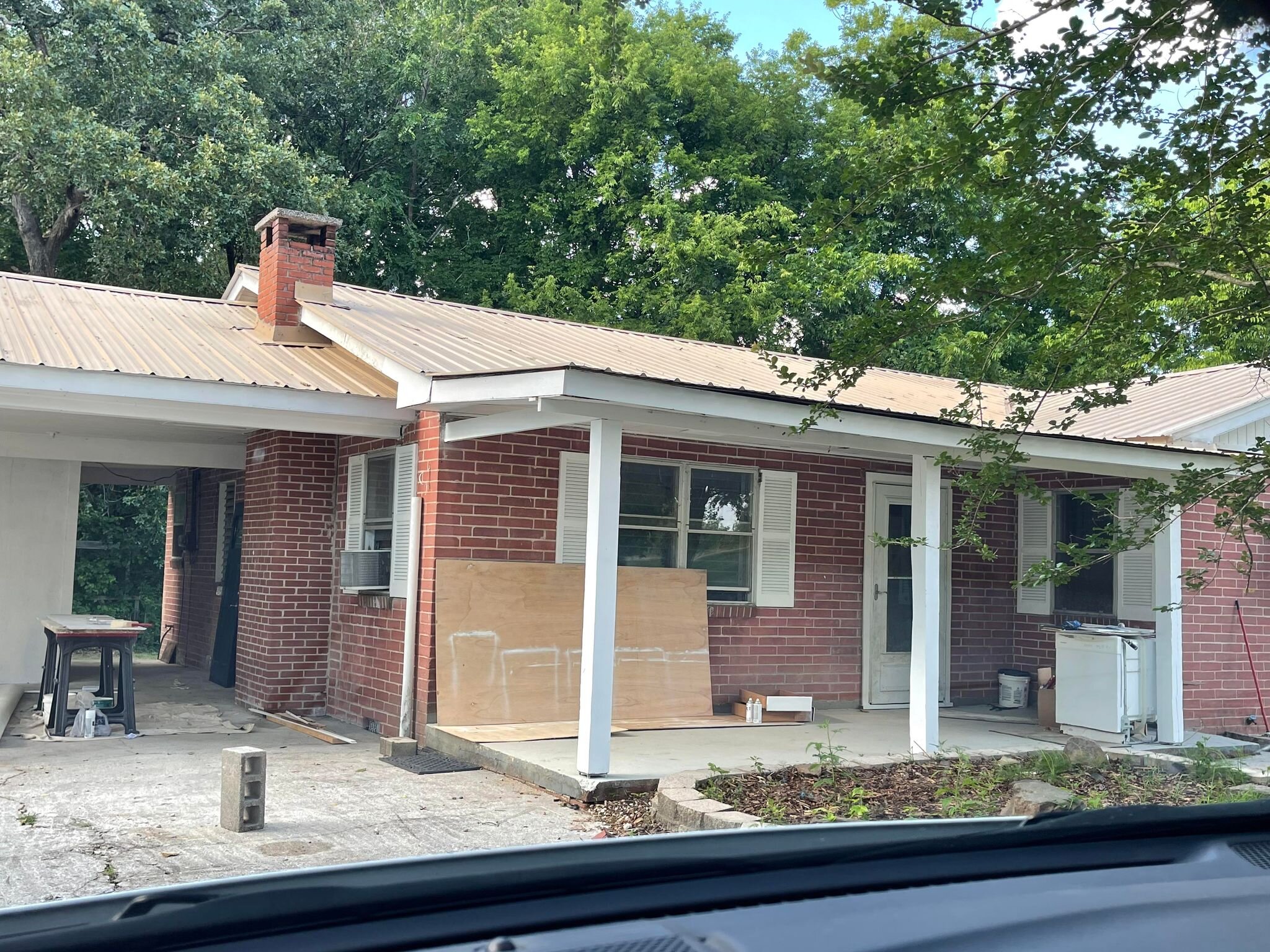
A fixer-upper is a home that needs enough work — cosmetic, mechanical, or structural — that it falls outside what most buyers and lenders consider move-in ready. That can mean anything from outdated finishes and worn flooring to a failing roof, old wiring, foundation movement, or major plumbing issues.
Atlanta has plenty of fixer-uppers in both the city and suburbs — older homes in historic neighborhoods like Grant Park or Kirkwood that were never updated, and properties in redeveloping areas that investors are actively targeting. What all of them have in common is the same core problem: most conventional buyers want a home that’s ready to live in, not a project.
Why Fixer-Uppers Are Genuinely Harder to Sell (It’s Not Just Buyer Preference)
This is the part most articles on this topic skip: it’s not only that buyers prefer move-in-ready homes — in many cases, they legally can’t finance anything else.
Most FHA and many conventional loans require a home to meet minimum property standards before the loan can close — covering things like a functioning heating and water system, a roof with a reasonable remaining lifespan, no exposed wiring, and no major structural or safety defects. Cosmetic issues like old paint or worn flooring are fine. But a home with a failing roof, significant electrical problems, or foundation damage typically can’t close with a standard loan at all — the buyer would need to either bring cash, use a renovation-specific loan like an FHA 203(k) that finances the purchase and repairs together, or walk away.
This information is based on HUD’s Single Family Housing Policy Handbook 4000.1, which outlines the minimum property standards for FHA-insured homes. For more details, you can review the official HUD handbook or a plain-language guide that explains these requirements.
That single fact explains most of what homeowners experience when they try to sell a fixer-upper traditionally: it’s not that nobody wants the house, it’s that a large share of the buyer pool is financially unable to buy it, no matter how much they might like it.
What Repairs Typically Cost (So You Can Compare Your Options)
Repair costs vary a lot by scope and by contractor, but rough ranges for common fixer-upper issues in the Atlanta area look something like this:
- Roof replacement: often $8,000–$20,000+ depending on size and materials
- Electrical panel and rewiring: often $5,000–$15,000+ depending on the home’s age and size
- Foundation repair: can range from a few thousand dollars for minor crack repair to $20,000+ for significant structural work
- Full kitchen or bathroom renovation: commonly $10,000–$30,000+ per room depending on finish level
- HVAC replacement: typically $5,000–$12,000+ depending on system size
The point of listing these isn’t to scare you — it’s to give you a real basis for comparison. If your repair estimates add up to a meaningful percentage of the home’s repaired value, that’s exactly the situation where selling as-is for cash, rather than financing and managing repairs yourself, tends to make the most financial sense.
Your Options for a Home That Needs Work
Make the Repairs and List Traditionally
This can maximize your sale price if you have the cash and time to do it, and if the numbers work out after accounting for repair costs, holding costs, and the risk that renovations uncover more problems once walls are opened up.
List As-Is and Wait for the Right Buyer
You can list as-is on the open market, but expect a smaller buyer pool — mainly cash buyers and investors — and offers that account for the repair costs. This can still work, but it typically takes longer and involves more negotiation than a direct sale.
Sell Directly to a Cash Buyer
Selling to a cash buyer like Georgia Fair Offer means skipping repairs, financing contingencies, and typically a much faster closing timeline. The trade-off is a lower price than a fully repaired home would fetch on the open market — this route makes the most sense when speed, certainty, or avoiding the repair process outweighs maximizing top-dollar sale price.
How the Process Works With Georgia Fair Offer
Step 1: Property Evaluation
We look at your property, its location, and what it would take to bring it up to market condition. This assessment is free and forms the basis of a fair cash offer that accounts for both the home’s current condition and the cost of the repairs we’ll need to make.
Step 2: Cash Offer
After the evaluation, you’ll receive a cash offer based on the home’s current, as-is condition — you’re never asked to make repairs before accepting. There’s no lengthy negotiation process; you get a clear number to consider.
Step 3: Closing
Once you accept, we handle the paperwork and can typically close in about a week, on a timeline that works for you.
A Note From Kelly
Before I started buying houses, I spent years in residential construction and property restoration, and later managed multimillion-dollar renovation projects. I’ve walked through more fixer-uppers than I can count, and one thing that’s stuck with me from that experience is how often homeowners either underestimate or overestimate what a house actually needs.
The homes that scare sellers the most — visible water stains, an old roof, cracked plaster — are often the cheapest to actually fix. What quietly costs the most is what’s hidden: old wiring behind the walls, a foundation that’s shifted slightly, plumbing that hasn’t been touched in 50 years. When I evaluate a property now, I’m looking past the cosmetic stuff to the systems that actually determine whether a home can pass a lender’s standards, because that’s what determines whether most buyers can even make an offer on it.
If you’re deciding whether to fix up a property yourself or sell it as-is, my honest advice is to get a real, itemized repair estimate before you decide anything — not a gut feeling. Once you know the real number, it’s a lot easier to compare that against what a traditional sale, an as-is listing, or a direct cash sale would actually net you. That’s the evaluation I do for every homeowner I talk to, and it’s the same one I’d want if it were my own house.
Frequently Asked Questions
Can I sell a house that needs major repairs in Atlanta?
Yes. You can sell as-is on the open market, though the buyer pool narrows mostly to cash buyers and investors, or sell directly to a cash buyer like Georgia Fair Offer without making any repairs first.
Will I get less money selling my fixer-upper as-is?
Usually, compared to a fully renovated home sold at market value, yes — but that comparison should account for the repair costs, time, and risk you’d otherwise take on. For many sellers, the net difference is smaller than expected once repair costs, holding costs, and agent commissions are factored in.
Why can’t buyers just get a regular mortgage on a fixer-upper?
Most conventional and FHA loans require a home to meet minimum property standards covering safety, structural soundness, and functioning systems before the loan can close. Homes with major issues like a failing roof or significant electrical problems typically don’t qualify for standard financing, which is why the buyer pool for fixer-uppers is smaller.
Do I need permits to sell a house with unpermitted work?
Not necessarily to sell it, but unpermitted work should be disclosed if you’re aware of it, and it can affect buyer financing and negotiations. If you’re unsure how known unpermitted work affects your specific sale, a real estate attorney can advise you.
How fast can I sell my fixer-upper for cash in Atlanta?
Georgia Fair Offer can typically close within about a week of an accepted offer, though the exact timeline depends on your specific situation and preferences.
Bottom Line
A fixer-upper doesn’t have to be a burden. Understanding why these homes are harder to finance — not just harder to sell — helps explain the real trade-offs between repairing, listing as-is, and selling directly for cash. If you’re trying to figure out which option makes the most sense for your specific property, Georgia Fair Offer can walk through a free evaluation and a no-obligation cash offer, with no repairs, no fees, and no commissions.